Fort Matanzas National Monument Tours
Tickets · Florida ·
Managed by the National Park Service
- 12 ft
- Elevation
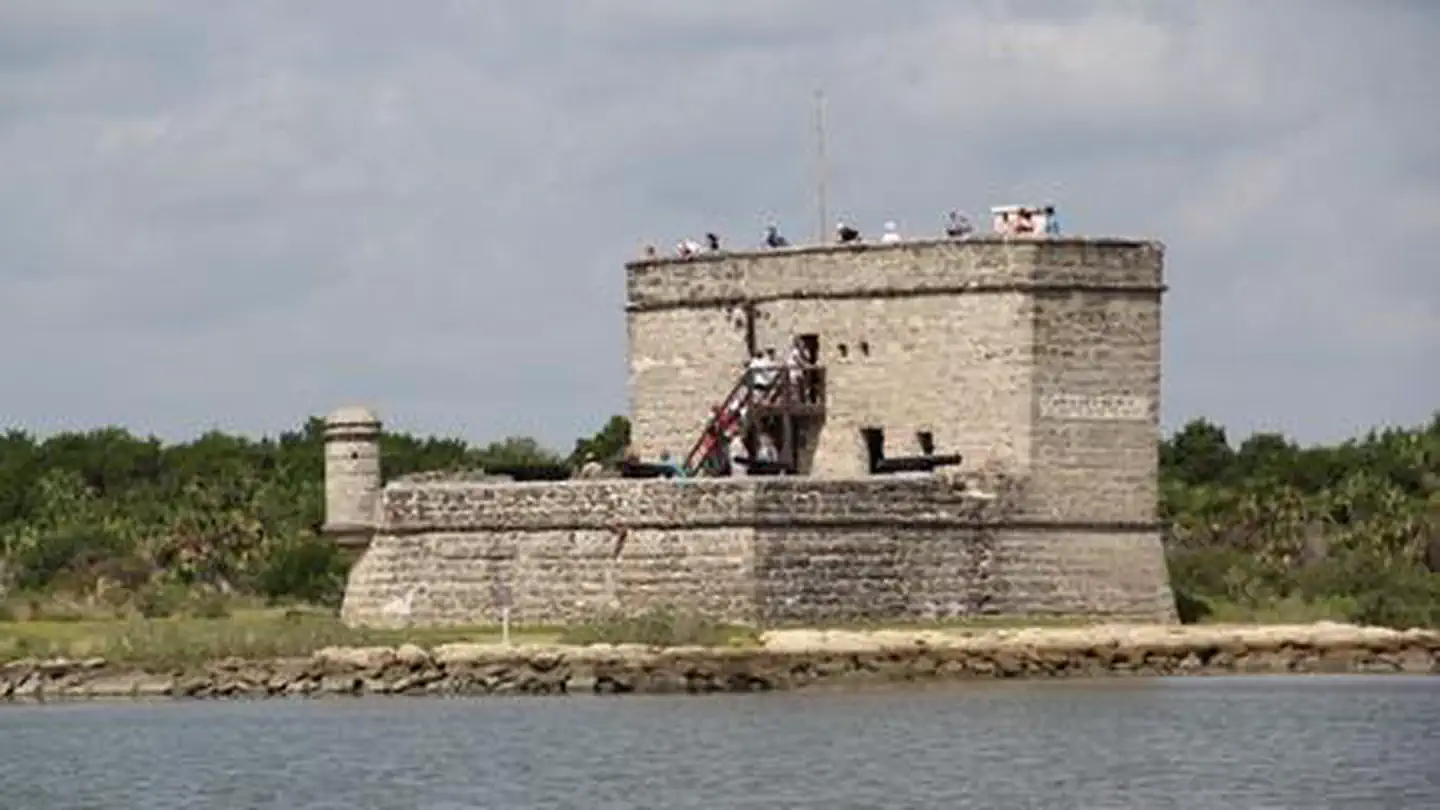
A REMINDER OF AN EARLIER TIME
Experience evening candlelight tours of Fort Matanzas complete with cannon firings. You will be entering a 1st person environment as if you and other guest are living with soldiers and sailors in the year 1783. A park ranger will guide you before you enter the fort and immerse yourself in a night during the American Revolutionary War.
In 1783 the decision was made to reinforce Fort Matanzas. As the other British colonies (1st 13 US States) continue their revolt against the crown, St. Augustine became more important to the British in their attempt to maintain their hold on the colonies in North America. The reason for this was that Florida remained loyal to Great Britain during the American Revolution, and thus St. Augustine became an important military post for housing soldiers and harboring refugees fleeing from persecution in the colonies in rebellion against the United Kingdom. As the time of open rebellion continued, the British began to bolster their defenses in East and West Florida.
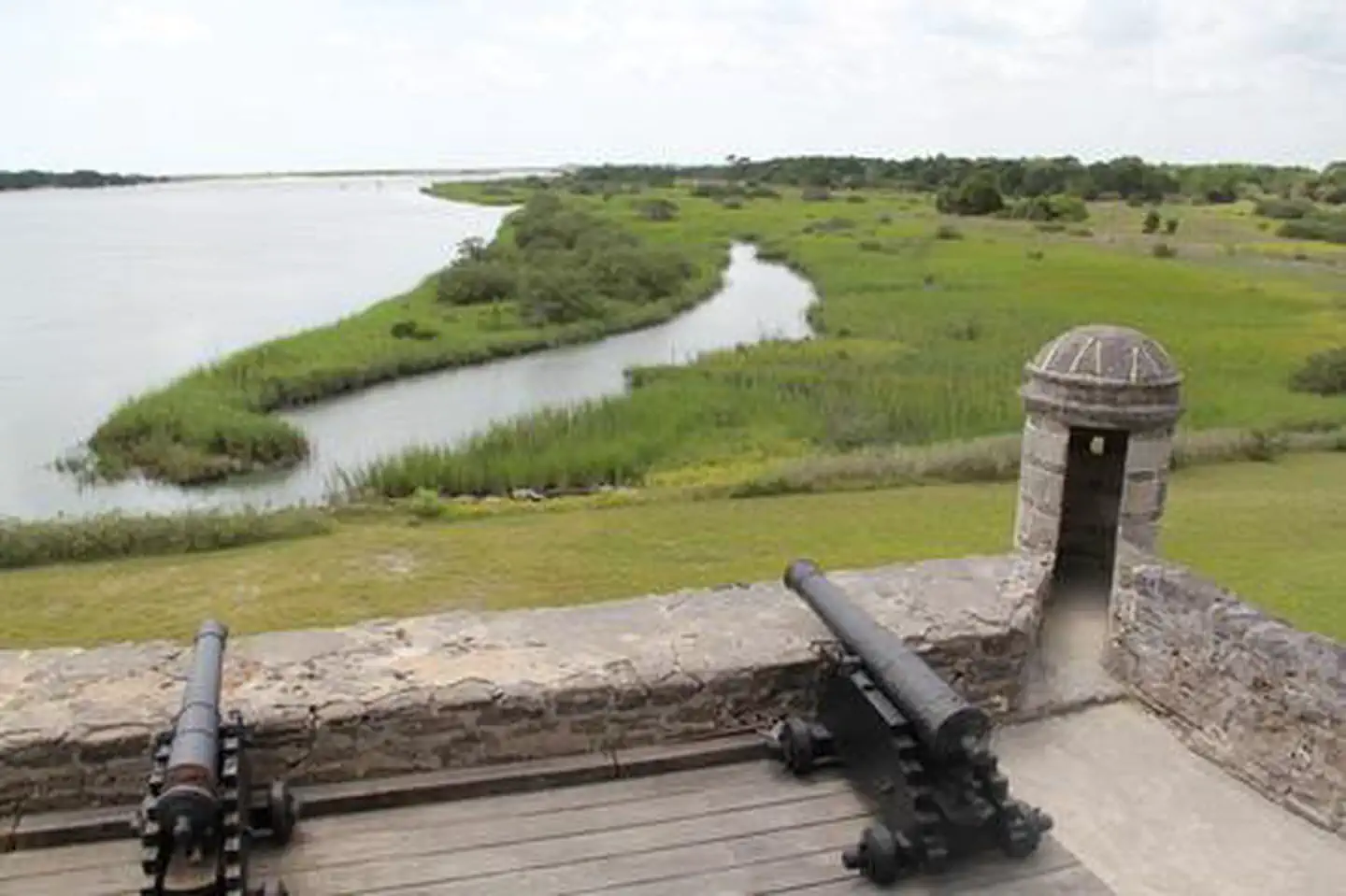
New Cannons are being fired to help zone out the area and register all the shots for future use. You are now shipwreck survivors found on the nearby beach and have been brought into the fort for shelter until the morning.
Park Website: www.nps.gov/foma
Getting there
Fort Matanzas National Monument is located about 14 miles south of the historic district of St. Augustine, Florida. St. Augustine is located on Florida's Northeastern Atlantic coast about midway between Jacksonville and Daytona Beach.
From I-95: Take exit 305 (Route 206). Follow Route 206 east about 6 miles to Highway A1A. Turn right and follow A1A south for 4 miles to the park entrance on the right side of the road.
From St. Augustine: Follow Highway A1A south for approximately 14 miles to the park entrance on the right side of the road.
From Daytona Beach via A1A: Follow Highway A1A about 40 miles north. The park entrance is on the left about 1/2 mile north of the Matanzas Inlet bridge.
29.82091, -81.27019 · 29°49'15.3"N 81°16'12.7"W
Typical weather
| Jan | Feb | Mar | Apr | May | Jun | Jul | Aug | Sep | Oct | Nov | Dec | |
|---|---|---|---|---|---|---|---|---|---|---|---|---|
| High °F | — | — | — | — | — | — | — | — | — | — | — | — |
| Low °F | — | — | — | — | — | — | — | — | — | — | — | — |
| Precip in | 3.5 | 2.8 | 3.3 | 2.8 | 3.6 | 6.6 | 6.1 | 6.8 | 7.4 | 4.6 | 2.3 | 2.7 |
1991–2020 averages from the nearest NOAA station, 3.7 mi away — not measured at the facility itself, and elevation can make a real difference over that distance.
Map
More photos
Member photos
Common questions about Fort Matanzas National Monument Tours
- Can you reserve a site at Fort Matanzas National Monument Tours?
- Yes, Fort Matanzas National Monument Tours is reservable through Recreation.gov.
Camping near Fort Matanzas National Monument Tours
- Alexander Springs Recreation Area Vehicle Access Reservation 26.4 mi · Timed entry · we watch it
- Lake Delancy West Campground 41.4 mi · Campground · we watch it
- Salt Springs Recreation Area 42.4 mi · Campground · we watch it
- Silver Glen Springs Recreation Area Vehicle Reservations 45.5 mi · Timed entry · we watch it
- Hopkins Prairie Campground 45.6 mi · Campground · we watch it
- Visitor Center 7.6 mi · Visitor Center
- Casa Marina Hotel and Restaurant 33.5 mi · Facility
- Welaka National Fish Hatchery 36.7 mi · Facility
- Davenport Landing 38.7 mi · Campground
- Timucuan Preserve Visitor Center at Fort Caroline 41.4 mi · Facility
- Kingsley Plantation Visitor Contact Station 43.9 mi · Facility
- The Museum of Arts and Sciences 45.7 mi · Facility
Contact
- Phone (904) 471 - 0116
- Book Recreation.gov
Recreation.gov last updated this record on 2026-02-25.
Facility information and photographs from Recreation.gov (RIDB). SpotOpened is not affiliated with Recreation.gov or any federal agency.
Comments